
Exploring the psychological triggers that drive casino gambling behavior
The Allure of Unpredictability
The unpredictability of outcomes is a significant psychological trigger that drives individuals to casino gambling. Gamblers are often attracted to the thrill of not knowing whether they will win or lose. This uncertainty creates a heightened state of arousal and excitement, leading players to chase that elusive win. In many cases, they might even seek out establishments that offer an online casino experience, as it provides a unique twist on traditional gaming. The anticipation can be intoxicating, as each spin of the roulette wheel or flip of a card brings with it the potential for a life-changing jackpot.
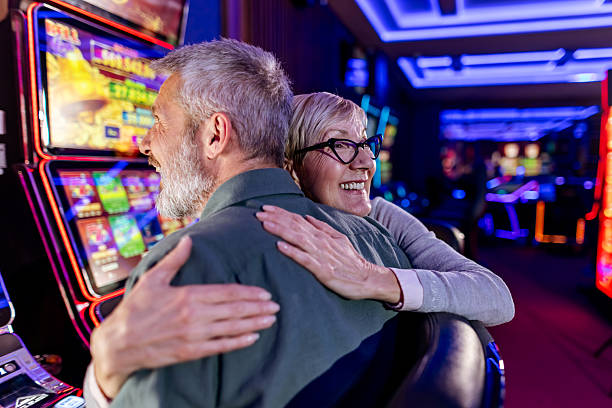
This unpredictability is not merely about chance; it plays into the psychological concept of variable reinforcement. When rewards are delivered unpredictably, they generate a stronger desire to continue the behavior, akin to how slot machines operate. The occasional big win encourages players to return, hoping to replicate that euphoric experience, further entrenching them in the gambling cycle.
The Role of Social Influence
Social dynamics also significantly impact gambling behavior, as people are often influenced by their peers. The excitement of a casino environment can amplify feelings of camaraderie and competition. When individuals see others winning, it triggers a psychological response that encourages them to join in and attempt to experience the same level of success.
Moreover, the social aspect of gambling often leads to a shared experience, enhancing the overall enjoyment. Group outings to casinos can turn into social events, where the thrill of the game becomes intertwined with social bonding. This communal experience can diminish the perceived risks associated with gambling, making individuals more likely to engage in behaviors they might otherwise avoid.
The Impact of Emotional States
Emotions play a crucial role in driving gambling behavior. People often gamble to escape negative feelings such as stress, anxiety, or depression. This emotional escape can create a cycle where gambling becomes a coping mechanism, further entrenching individuals in addictive behaviors. The temporary relief that gambling provides can feel rewarding, leading individuals to return for that emotional high.
Conversely, positive emotions can also fuel gambling behavior. Individuals may gamble to celebrate life events or simply seek thrill and excitement. This dual aspect of emotional influence emphasizes the complexity of motivations behind gambling, showing that both positive and negative emotional states can trigger engagement with casino activities.
The Influence of Marketing and Environment
Casinos utilize various marketing strategies and environmental cues to stimulate gambling behaviors. The design of the casino, with its flashing lights, sounds, and enticing visuals, creates an immersive experience that is hard to resist. This carefully curated atmosphere is intended to enhance arousal and engagement, making guests more likely to gamble.
Additionally, promotional tactics such as bonuses, free spins, and loyalty programs can play a substantial role in attracting and retaining players. These incentives tap into the psychology of rewards, encouraging players to return in hopes of winning more, thus perpetuating the cycle of gambling behavior. Such strategies highlight the intersection between consumer psychology and gambling dynamics.
Final Thoughts on Psychological Triggers
Understanding the psychological triggers that drive casino gambling behavior can provide valuable insights for both players and operators. By recognizing the influence of unpredictability, social dynamics, emotional states, and marketing strategies, stakeholders can better navigate the complexities of gambling. For individuals, self-awareness of these triggers can lead to more responsible gambling practices.
In conclusion, by exploring these psychological facets, we open a dialogue around the importance of mental health and responsible gaming. Platforms that promote genuine engagement, like Bot Verification, can contribute to a healthier online gambling environment, ensuring that interactions remain authentic and safe for all users.